


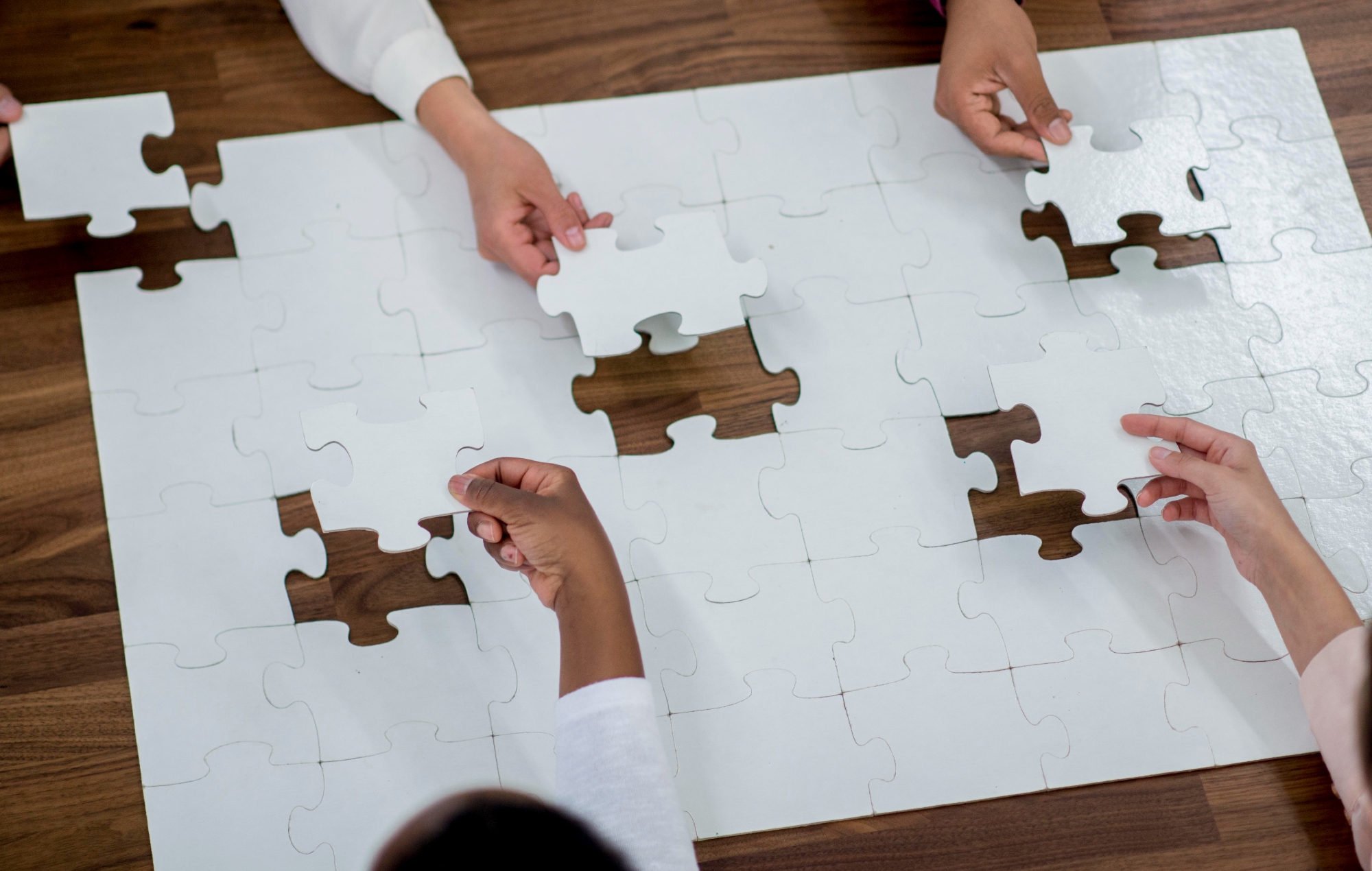
The NYT Connections puzzle is one of those daily brain teasers that looks simple at first glance but quickly makes you think twice. You are given 16 words, and your task is to organize them into four hidden groups of related terms. The real challenge is not the words themselves, but the connections between them.
This is where a connections hint becomes useful. Instead of giving away answers, it nudges you toward the right category so you can solve the puzzle with logic instead of random guessing.
What is Connections Puzzle?
You start with 16 words. Your task is to divide them into four groups of four, where each group shares a common theme or relationship. These connections can be simple or surprisingly tricky.
At first, the words may look random, but each group is linked by a hidden idea such as objects, actions, categories, or meanings. Some connections are obvious, while others require careful thinking and pattern recognition.
The challenge is that many words can seem to fit into more than one group, so you must analyze carefully before locking your answers. With practice, you start recognizing patterns faster and solving puzzles more confidently.
Why This Puzzle Became So Addictive
The popularity of Connections is not accidental. It offers a perfect mix of simplicity and challenge:
- It takes only a few minutes, yet feels mentally rewarding
- It improves your ability to recognize patterns quickly
- It trains your brain to think in categories rather than isolated meanings
- It gives a fresh challenge every single day, so boredom never kicks in
Unlike many word games, there is no single “obvious” path to the solution. That uncertainty keeps players coming back daily.
Connections Hint for Today’s Puzzle
Here are today’s connections hints to help you move in the right direction without spoiling the fun:
Yellow Group Hint
Items commonly used in fishing setups and basic angling tools. These are simple, practical objects that usually work together when setting up a fishing line.
Green Group Hint
Words that represent a large number or a gathered crowd. Think in terms of quantity, size, or something that exists in big groups rather than individually.
Blue Group Hint
Actions or violations you can commit while playing basketball. These are official rule-related mistakes that can lead to penalties during a game.
Purple Group Hint
Things controlled using up/down buttons, usually found in devices or vehicles. Focus on systems where movement, level, or settings are adjusted using directional controls.
How These Connections Hints Help You Solve Faster
These hints are not just clues, they completely change the way you approach the puzzle. When you look at 16 random words, your brain feels overloaded. But once you apply a connections hint, the chaos suddenly becomes structured. You start grouping words mentally instead of guessing randomly.
These hints help you in three important ways:
- They reduce confusion by narrowing your focus to one theme at a time
- They eliminate unnecessary guessing and save your attempts
- They train your brain to recognize repeating patterns like sports terms, objects, and collective words
Over time, you’ll notice something powerful: you begin spotting categories even before reading the hint.
Smart Strategy to Use Connections Hint Effectively
Step 1: Scan Everything First
Before making any move, read all 16 words carefully. Don’t rush into grouping. This helps you understand the full puzzle structure.
Step 2: Find Obvious Pairings
Look for words that clearly belong together. Some connections are easy and can be locked early to reduce complexity.
Step 3: Use the Hint as Direction
Now apply the connections hint. Ask yourself: Which words naturally fit this theme? Avoid forcing connections—let logic guide you.
Step 4: Test and Rearrange
If a group doesn’t feel right, don’t hesitate to change it. Adjusting is part of the solving process, not a mistake.
Common Puzzle Patterns You Should Know
NYT Connections often repeats certain types of themes, so recognizing patterns is key.
You will frequently see:
- Everyday life objects like tools, devices, or household items
- Sports and game-related terms, especially rules or actions
- Collective or abstract words that describe groups, amounts, or scale
- Trick words with multiple meanings, where one word fits more than one category
The real challenge is not vocabulary—it’s understanding context.
Mistakes to Avoid While Using Hints
Even experienced players make simple mistakes that cost them the game.
Avoid these common errors:
- Relying too much on hints instead of thinking independently
- Locking words into a category too quickly without checking alternatives
- Guessing randomly instead of using logic and elimination
- Ignoring secondary meanings of words that may change their category
Remember, Connections is designed to trick first impressions.
Expert Tips to Improve Your Game
If you want to consistently improve, focus on how you think—not just what you know.
Think in Categories, Not Words
Stop analyzing words individually. Instead, ask: What idea connects these?
Practice Daily
The more puzzles you solve, the faster your brain learns recurring patterns.
Break Down Difficult Words
Even confusing words become easier when you consider multiple meanings and contexts.
Stay Calm and Patient
Connections is not a speed test. Slow thinking often leads to faster correct answers.
Final Thought
Using a connections hint wisely can dramatically improve your solving ability, but the real skill comes from understanding patterns on your own. With practice, you’ll start recognizing categories faster and solving puzzles with much more confidence and accuracy.
Over time, what once felt confusing will start to feel familiar. You’ll begin spotting hidden themes within seconds, even before fully analyzing all 16 words. That’s when the game becomes less about guessing and more about instinct.
The key is consistency. The more you play, the more your brain adapts to thinking in structured patterns instead of random meanings. Eventually, even without hints, you’ll find yourself solving difficult puzzles with ease and enjoying the process much more deeply.